From the founder · 5 min read
What Leading a SWAT Team Taught Me About Interview Preparation
Preparation gives you options.
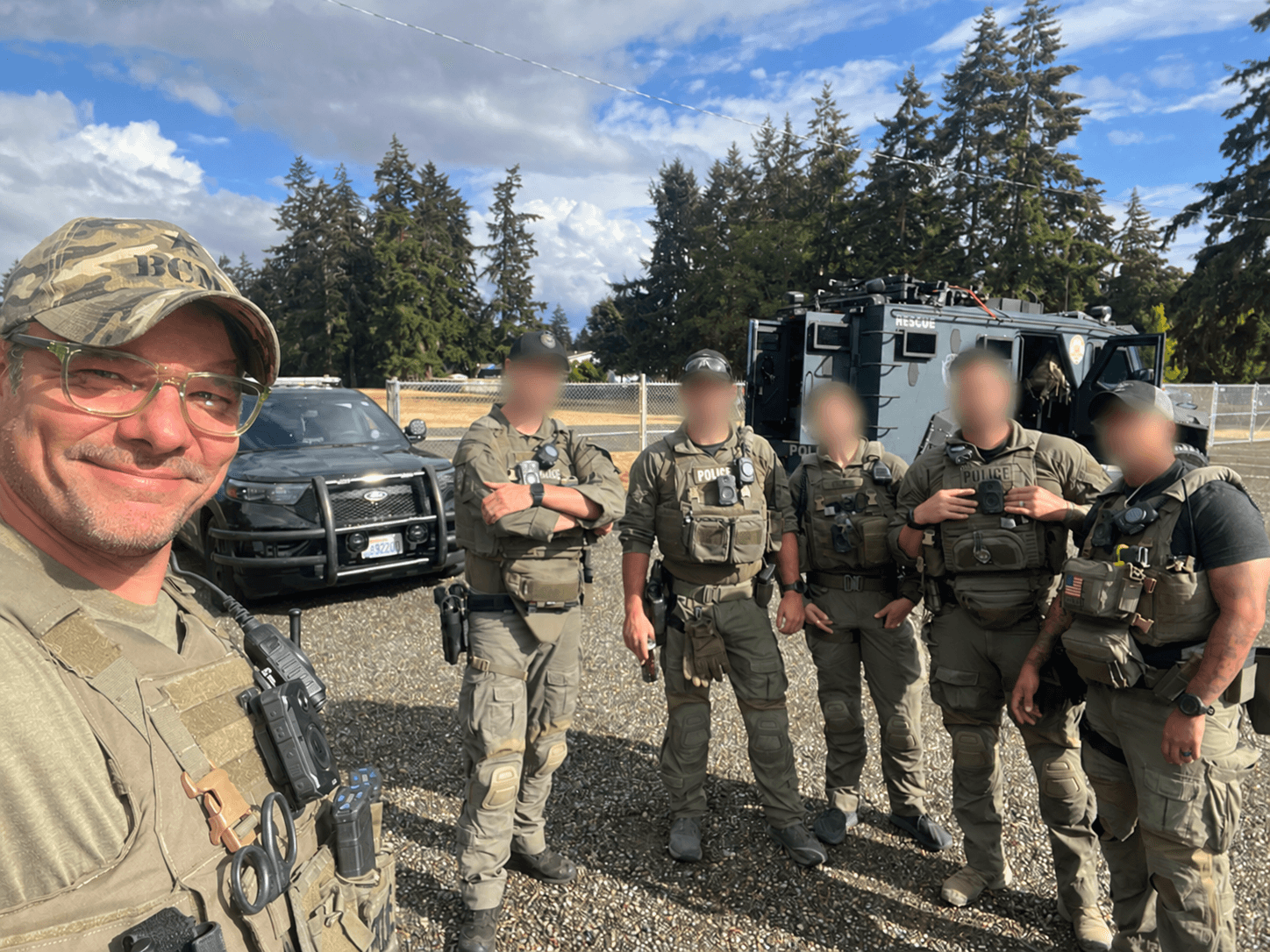
One of the biggest lessons from my time in law enforcement, especially as a SWAT team leader, is that preparation gives you options. The time you spend thinking through what could happen puts you in a better position to respond when it does.
That mindset starts on day one of the academy. You learn to think ahead, recognize potential risks, and make decisions that help keep you, your partners, and everyone around you safe. You’re constantly asking yourself: What could happen here, and what can I do now to be ready for it?
When I joined the SWAT team, that planning became more extensive. The risks were often higher, we had more resources available, and, for some missions, we had more time to prepare. When I became a team leader responsible for planning those missions, I took on an even greater responsibility to think through the details.
For a planned warrant service, I might spend days or even weeks gathering information about the location and the people we expected to find there. We looked at routines, entrances and exits, known weapons, dogs, propane tanks, and other potential hazards. Each detail helped us understand the situation and plan to conduct the operation as safely as possible.
A huge part of that work was contingency planning.
What if circumstances changed before we arrived? What if someone left through a different exit? What if we didn’t get a response when we tried to make contact?
We worked through those questions ahead of time because we didn’t want our first discussion about a foreseeable problem to happen while that problem was unfolding.
Last-minute callouts didn’t give us the same benefit of time, but the mindset stayed the same. As information came in, team members would talk through the possibilities: What if this happens? What are our options? What would make us change our plan?
Experience taught me that we couldn’t anticipate everything. There was always room for something unexpected. But thinking through the possibilities helped us make better decisions, adapt when circumstances changed, and avoid being caught flat-footed.
That same principle is a big part of why I believe in interview preparation.
The stakes and circumstances are obviously different, but you’re still walking into a situation where you’ll need to think clearly, communicate effectively, and respond under pressure. Preparation gives you something to draw from when that pressure shows up.
If you walk into an oral board without researching the position, thinking about likely questions, or identifying experiences you can use in your answers, you’re leaving a lot of work for the moment you’re sitting in front of the panel.
You’re trying to remember an example, decide what matters, organize your thoughts, and explain yourself—all at once.
There’s work you can do beforehand to make that easier.
Have you prepared a clear introduction that explains who you are and what you bring to the position in one to two minutes? Have you thought through why you want the role? Do you have examples ready that demonstrate judgment, accountability, teamwork, and your ability to learn from mistakes?
Those examples can come from wherever you’ve gained meaningful experience: school, work, volunteering, sports, or everyday life. What matters is being able to explain what happened, what you did, and what you learned.
You should also think about contingencies within the interview itself. What if the panel asks a question you haven’t practiced? What if they ask for a different example? What if you lose your train of thought or need a moment to think?
You can practice how to handle those moments, too.
The goal is to know your experiences and motivations well enough that you can respond naturally, even when a question comes in a form you didn’t expect. A memorized script only takes you so far. Preparation should help you adapt.
As a team leader, I owed it to my team and everyone affected by an operation to do the work beforehand. I wanted us to arrive with a plan, an understanding of our options, and the ability to adjust.
When you walk into an interview, you owe yourself that same effort.
Whether you’re applying for your first position, a specialty assignment, or a promotion, take the time to prepare. You can’t control every question the panel will ask, but you can control how much thought and practice you bring into the room.
—Jon, Founder of Enter Prepared