Safety leadership
For a Firearms Instructor, make this visible through safe and inclusive instruction. Explain the decision, the safeguard, and how you would verify the result.
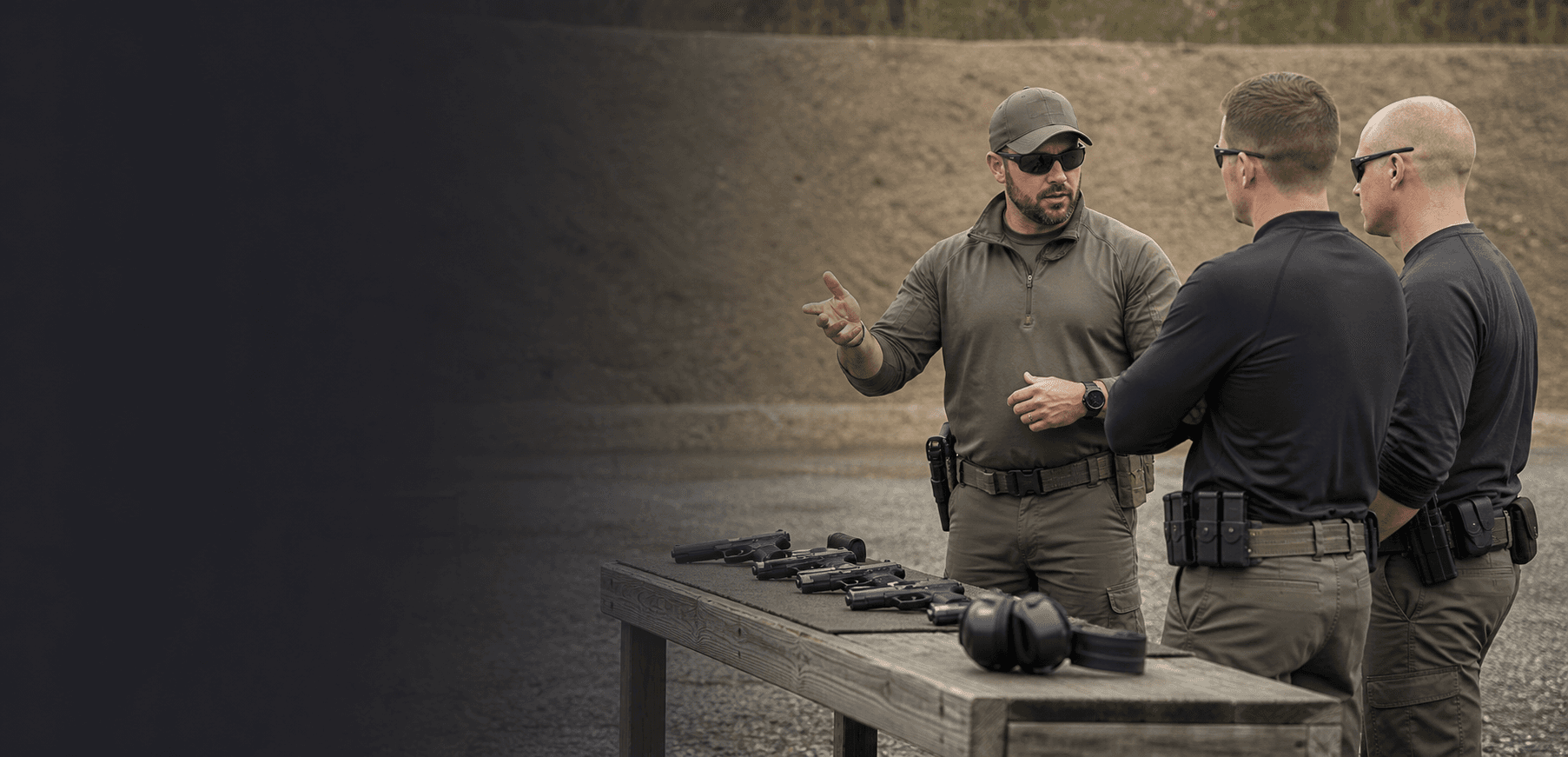
Instructor & Training · Standards, safety, and sound coaching
Practice discussing range safety, adult instruction, skill diagnosis, remediation, documentation, legal judgment, and responsible training culture.
“Demonstrate the discipline to develop others without lowering the standard.”
Practice is built around public job functions and broadly applicable professional standards. It does not depend on confidential questions or inside information from any agency process.
What a board may be listening for
Good preparation is not memorizing a perfect script. It is learning to organize complete, specific answers while still sounding like yourself.
For a Firearms Instructor, make this visible through safe and inclusive instruction. Explain the decision, the safeguard, and how you would verify the result.
For a Firearms Instructor, make this visible through performance problems and remediation. Explain the decision, the safeguard, and how you would verify the result.
For a Firearms Instructor, make this visible through standards, records, and accountability. Explain the decision, the safeguard, and how you would verify the result.
For a Firearms Instructor, make this visible through safe and inclusive instruction. Explain the decision, the safeguard, and how you would verify the result.
Inside Enter Prepared
Hear the question once in a natural voice, request a repeat when needed, answer under time, and receive coaching after the interview—not distracting follow-ups during it.
Common selection formats
The exact process varies by agency. Confirm the current announcement, then build repetitions around the formats and observable behaviors the process actually uses.
Practice the format under realistic conditions, then review what an assessor could actually observe and record from your performance.
Practice the format under realistic conditions, then review what an assessor could actually observe and record from your performance.
Practice the format under realistic conditions, then review what an assessor could actually observe and record from your performance.
Common preparation mistakes
Repair the gap with one specific example, a clear sequence, the reason behind the decision, and how you verified the result.
Repair the gap with one specific example, a clear sequence, the reason behind the decision, and how you verified the result.
Repair the gap with one specific example, a clear sequence, the reason behind the decision, and how you verified the result.
Application packet preparation
A letter of interest, résumé, qualifications packet, or supporting documents may become the panel’s first evidence of your preparation. Build the submission for the Firearms Instructor process your agency actually announced—not a generic template.
Capture every required document, prompt, page limit, format, signature, routing step, and deadline before drafting.
Match each stated duty or qualification to specific experience, training, results, and lessons you can honestly support.
Explain why this role, why you are ready, what evidence supports the claim, and what contribution you intend to make.
Check completeness, accuracy, tone, file names, attachments, readability, and compliance against the official instructions.
Qualifications coverage check
Current instructions control. Never fabricate experience, alter credentials, include confidential case information, or upload restricted agency material. Use authorized, de-identified facts and preserve your own voice.
The local knowledge layer
For a Firearms Instructor, build a separate study plan from current, authorized local sources. Learn what triggers the rule, what discretion remains, who must be involved, what must be documented, and how the decision is verified.
Range safety, qualification, remediation, instructor authority, equipment, ammunition, medical response, and documentation
Current use-of-force policy, training standards, lesson-plan approval, records retention, and failure or remediation procedures
Current jurisdiction-specific legal guidance relevant to firearms decisions and instruction
Exposure-control, hearing protection, lead-management, and facility rules
Trigger → purpose and risk → required or prohibited action → discretion → notifications and consultation → documentation → exceptions → verification.
Open the complete policy, SOP, and case-law study framework →Available with your practice package